Rome

Rome, The Eternal City
Rome (or Roma in Italian) is the capital of Italy and has a population of 2.8 million, the Romans. According to legend, Rome city was founded by the twins Romulus and Remus in 753 BCE. The city is located on the banks of the river Tiber and was founded on top of seven hills; Palatine Hill, Aventine Hill, Capitoline Hill, Caelian Hill, Esquiline Hill, Quirinal Hill and Viminal Hill. Particularly the area around Palatine Hill and Capitoline Hill would later become the centre of power of the enormous Roman Empire. You can find many ruins and excavations here of the Forum Romanum and the Colosseum gives you an impression of how gladiators had to do battle in this enormous Roman amphitheatre.
A Journey Through Time
From the mighty Colosseum and sacred Roman Forum to the artistic treasures of the Vatican Museums and the serene beauty of Piazza Navona, Rome offers a timeline of history you can walk through. Ancient ruins sit side‑by‑side with Baroque squares, Renaissance masterpieces, and contemporary Italian culture — making Rome both timeless and alive.
Overview of Rome
Rome Places of Interest
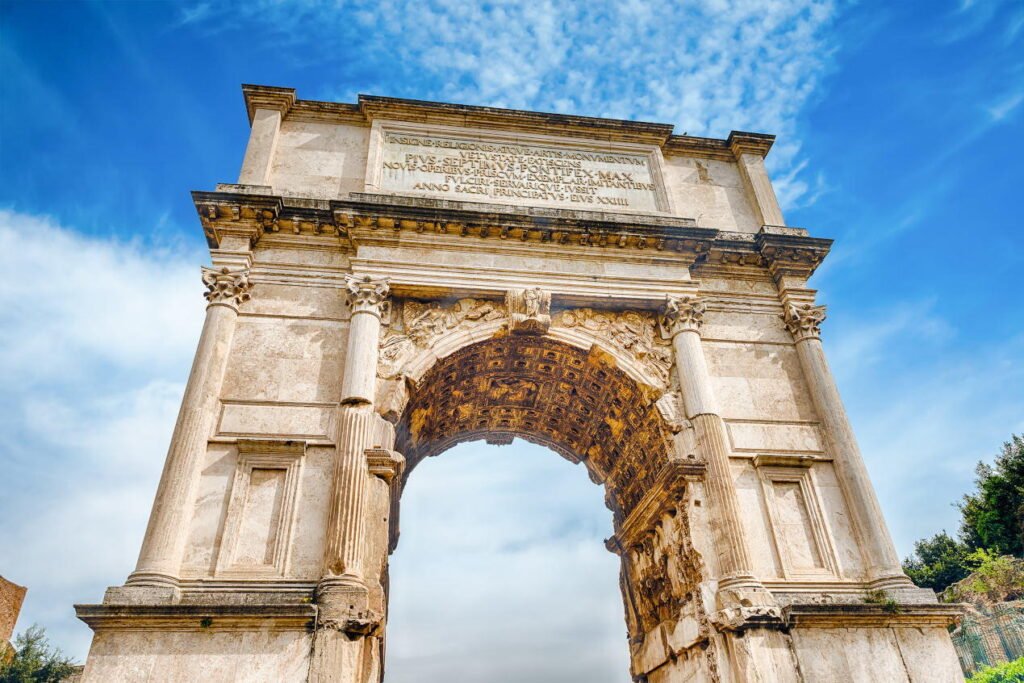
Ancient Appian Way
Argentina Tower
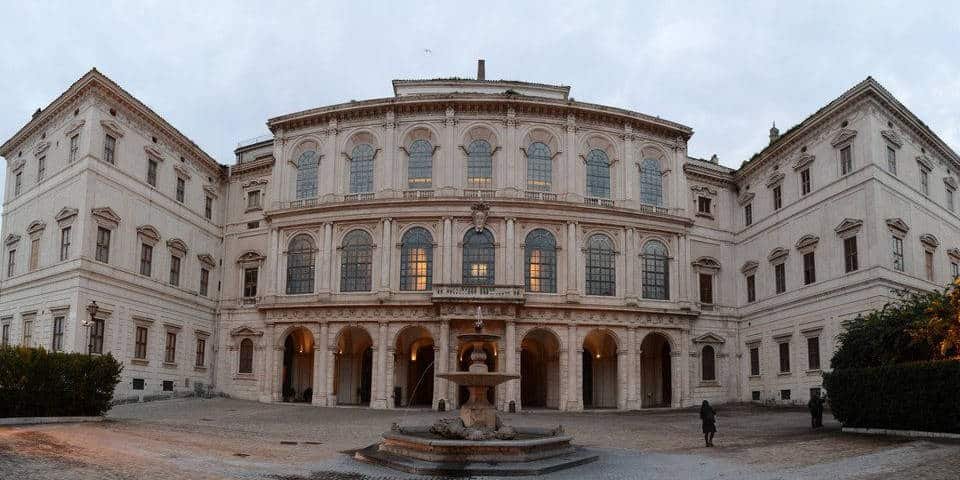
Barberini Palace
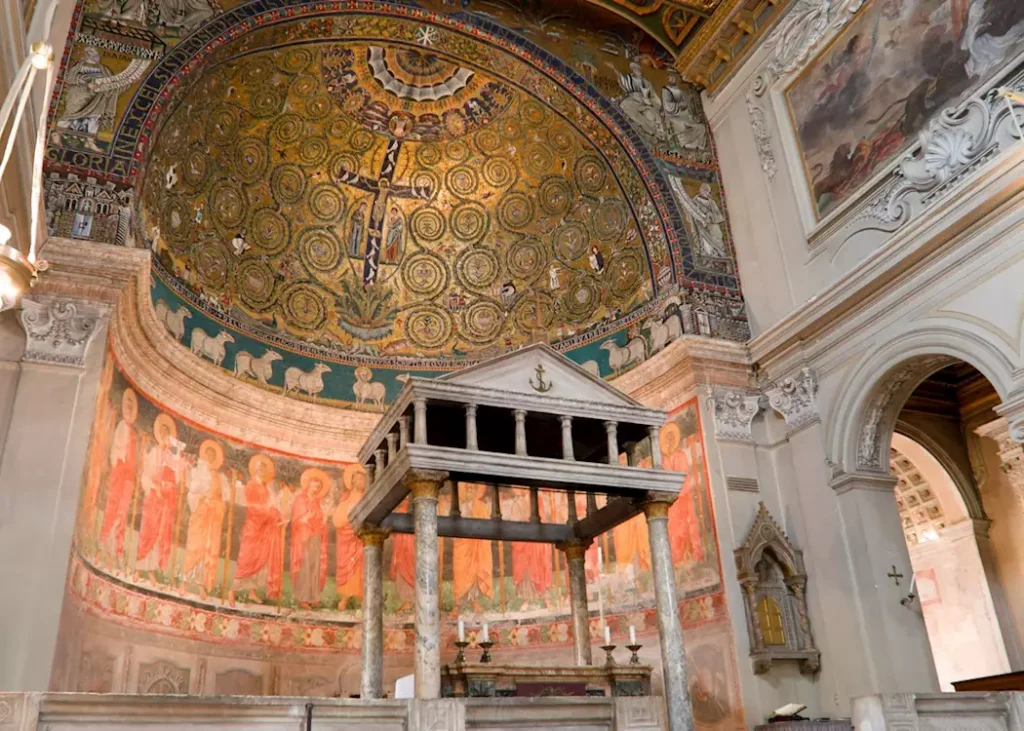
Basilica of Saint Clement
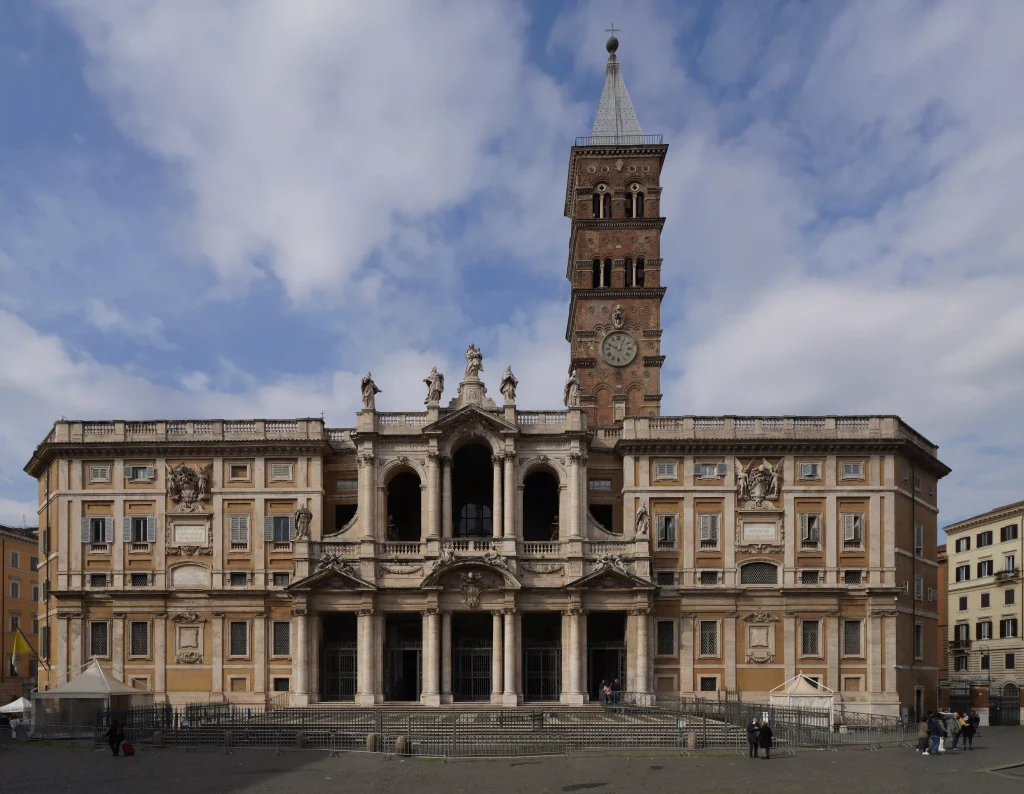
Basilica of Saint Mary Major
Baths of Caracalla
Names
Italian
- Colosseum
- Trevi Fountain
- Pantheon
- Saint Peter’s Basilica
- Vatican Museums
- Roman Forum
- Palatine Hill
- Piazza Navona
- Castel Sant’Angelo
- Villa Borghese
- Galleria Borghese
- Santa Maria Maggiore
- Trastevere
- Piazza di Spagna
- Monumento a Vittorio Emanuele II
- San Giovanni in Laterano
- Via Appia Antica
- Catacombs of San Calixtus
- Piazza del Popolo
- Domus Aurea
- Palazzo Colonna Gallery
- Galleria Doria Pamphilj
- San Clemente
- Museo e Cripta dei Cappuccini
- Palazzo Valentini (Domus Romane)
- Bocca della Verità
- Baths of Caracalla
- Campo de’ Fiori
- Musei Capitolini
- Museo Nazionale Romano, Terme di Diocleziano
- Museo Nazionale Romano
- Vatican Gardens
- Colle del Gianicolo
- Circus Maximus
- Trajan’s Markets
- Mamertine Prison
- Bioparco
- Palazzo Barberini
- Museum of the Ara Pacis
- Torre Argentina
English
- Colosseum
- Trevi Fountain
- Pantheon
- Saint Peter’s Basilica
- Vatican Museums
- Roman Forum
- Palatine Hill
- Piazza Navona
- Castel Sant’Angelo
- Villa Borghese
- Borghese Gallery
- Saint Mary Major
- Trastevere
- Spanish Steps
- Monument to Vittorio Emanuele II
- Saint John Lateran
- Ancient Appian Way
- Catacombs of San Calixtus
- People’s Square (Piazza del Popolo)
- Domus Aurea
- Colonna Gallery
- Doria Pamphili Gallery
- Saint Clement
- Capuchin Museum and Crypt
- Palazzo Valentini (Roman Domus)
- Mouth of Truth
- Baths of Caracalla
- Field of Flowers
- Capitoline Museums
- National Roman Museum, Baths of Diocletian
- National Roman Museum
- Vatican Gardens
- Janiculum Hill
- Circus Maximus
- Trajan’s Markets
- Mamertine Prison
- Biopark
- Barberini Palace
- Museum of the Ara Pacis
- Argentina Tower
Must‑See Landmarks
Rome’s iconic attractions span history, art, religion, and architecture:
- Colosseum — Stand inside the legendary amphitheatre where gladiators once battled.
- Roman Forum & Palatine Hill — Explore the heart of ancient political and social life.
- Pantheon — Marvel at one of antiquity’s most perfectly preserved buildings.
- Vatican City — Home to St. Peter’s Basilica and the Sistine Chapel.
- Trevi Fountain — Toss a coin and make a wish in Baroque splendour.
- Piazza Navona & Campo dei Fiori — Experience vibrant public squares with fountains, cafés, and markets.
- Spanish Steps & Piazza del Popolo — Classic spaces for strolling and people‑watching.
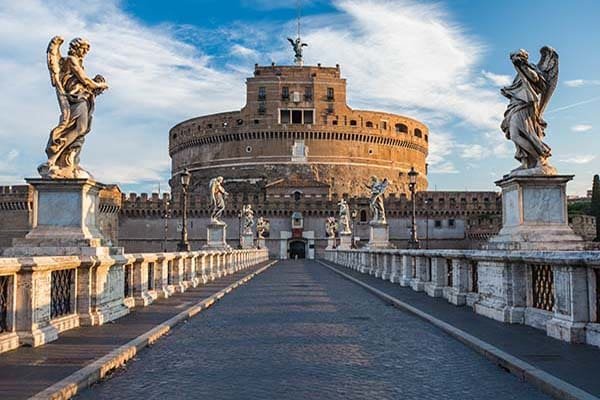
- Castel Sant’Angelo — Discover Rome’s layered history from imperial tomb to papal fortress.
Each landmark reveals a different chapter of Rome’s incredible story — from empire and religion to art and daily life.
Art, Culture & Culinary Delights
Rome is a living museum of the world’s greatest artistic achievements. From the sweeping frescoes of the Borghese Gallery to the layered history of Saint Clement Basilica, the city’s museums and churches are filled with masterpieces by Caravaggio, Bernini, Raphael, and Michelangelo.
When your feet need a break, indulge in Roman culinary classics:
- Cacio e Pepe and Carbonara pasta
- Crispy Roman‑style pizza
- Creamy gelato on a sunny piazza
- Espresso in a historic café
Rome’s food scene is as rich and layered as its history.
Hidden Gems & Local Life
Beyond the main attractions, Rome also invites exploration of charming neighbourhoods:
- Trastevere — Cobblestone lanes, trattorias, and nightlife.
- Appian Way (Via Appia Antica) — Ancient road with tombs, ruins, and countryside paths.
- Janiculum Hill — Panoramic views and peaceful gardens.
- Testaccio — A local food scene loved by Romans.
These areas offer a taste of authentic Roman life, lively culture, and quiet moments off the beaten path.
Why Visit Rome
Rome is more than a destination — it’s an experience of time itself. It combines:
- Ancient wonders and architectural marvels
- World‑class art and sacred spaces
- Cultural experiences and lively markets
- Exceptional Italian cuisine and vibrant neighbourhoods
Whether you’re a history buff, art lover, foodie, or first‑time traveller, Rome captivates and inspires.